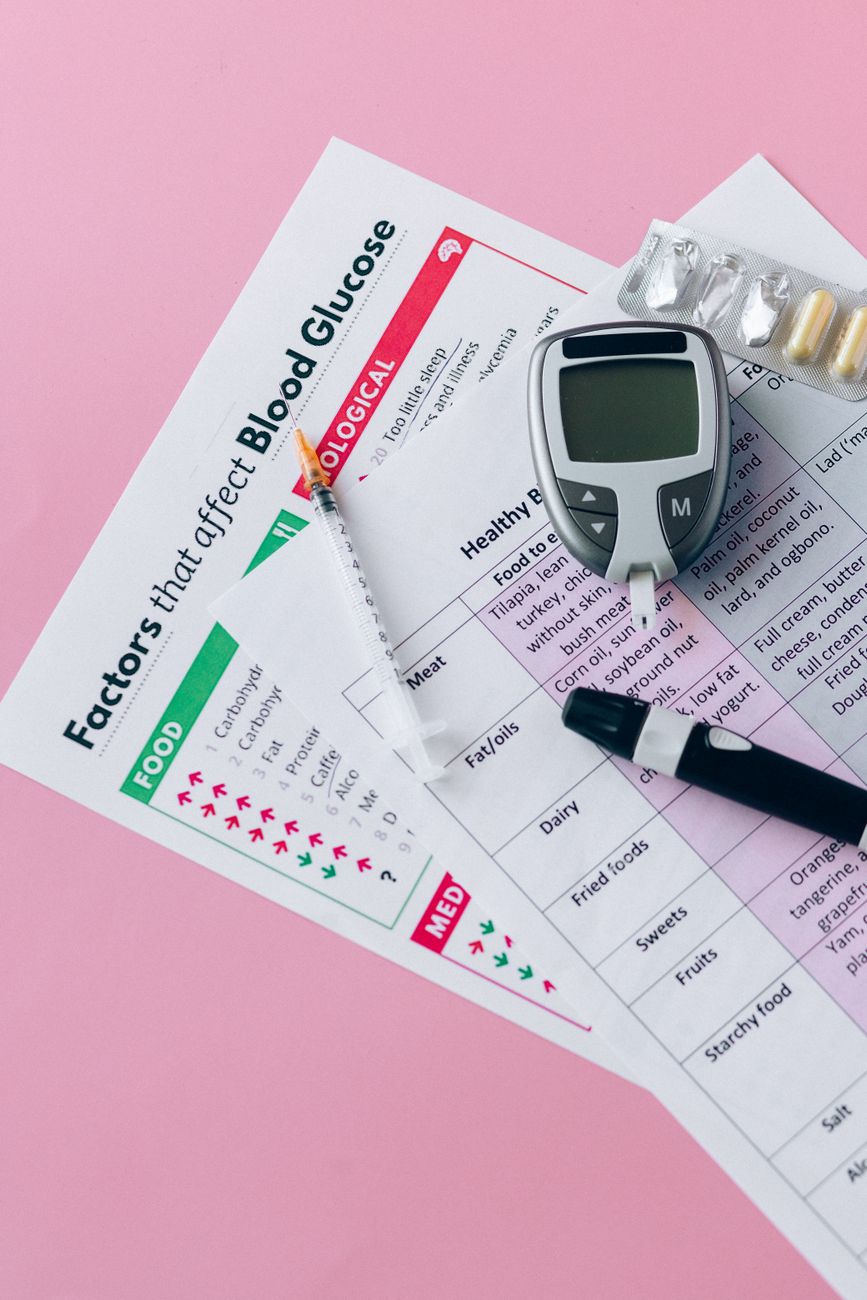
In this next section, I am going to explain symptoms & warning signs of blood sugar levels. I will include what normal ranges look like, how the body responds to high blood sugar levels/low blood sugar levels, and how to identify how these may look or feel to a diabetic. This will help you as a parent, be able to identify when your child is experiencing these and also help your child recognize when their bodies are heading in either direction. For my daughter, she can always tell when she is heading towards a low blood sugar and her being able to recognize these feeling & symptoms, it helps me as her parent figure out the proper plan of action to avoid a potentially dangerous situation.
What Ranges Are Considered a “Normal Blood Sugar”? Target ranges are different for Type 1 Diabetics compared to the target ranges of people without diabetes. Your personal target ranges may vary due to different factors such as your individual plan, your age, your overall health, how long you have had diabetes, other medical conditions you might have, and your risk for “hypoglycemia“. Below are general target ranges:
- Prior to eating a meal (fasting): 80 to 130 mg/dL (4.4 to 7.2 mmol/L)
- 1 to 2 hours after a meal: less than 180 mg/dL (10.0 mmol/L)
- Bedtime: 90 to 150 mg/dL (5.0 to 8.3 mmol/L)- OPTIONAL, depending on your individual plan
- A1C (3-month average): less than 7% (for most non-pregnant adults & children)
What is Hypoglycemia? (low blood sugar): It is a medical condition that happens when your blood sugar (glucose) level is low & drops below a healthy range: typically, under 70 mg/dL (milligrams per deciliter). Remember: glucose is the main source of energy that your body relies on for fuel to function properly. Hyperglycemia (or “hypos), can occur when you don’t have enough glucose in your system and it can also happen if you’ve administered too much insulin -when correcting a high, or covering carbs & miscounting. There are many common symptoms that come alongside low blood sugar/hypoglycemia, below are some of those symptoms that you as a parent can identify & that your child can learn to recognize in their own body:
- Shaking or trembling.
- Sweating & chills.
- Dizziness & lightheadedness.
- Fast Heartbeat or palpitations.
- Confusion & trouble concentrating.
- Irritability or anxiety.
- Extreme/Increased hunger.
- SEVERE LOW BLOOD SUGAR can lead to other symptoms such as: blurry vision, seizures, or loss of consciousness. This requires IMMEDIATE medical attention. Your Glucagon is what you would use to treat this -followed by calling 911.
Treatment includes:
- Eat or drink “fast-acting” carbs: 15 to 20 grams of simple carbohydrates like 4oz of juice, soda, milk or you can use glucose tablets (that you should have in stock for emergency lows)
- Wait 15 minutes & then recheck your blood sugar levels again.
- REPEAT AS NEEDED: if your blood sugar doesnt come above 70 mg/dL, consume 15 to 20 grams more of carbs.
What is Hyperglycemia? Is the term for high blood sugar (glucose). This happens when there is too much glucose building up in your body. There are many things that can cause hyperglycemia (or a hypo) which include: not enough insulin in your body or given when covering your carbs for food, drinks, or snacks, missing your scheduled insulin, not excersizing enough, stress, and illness or infections. Symptoms are slightly different than those for low blood sugars but can look similar. Those are listed below:
- Increased thirst and/or a dry mouth.
- Increased & Frequent urination (peeing a lot more than usual).
- Fatigue– feeling tired/weak.
- Blurry vision
- Headaches
- Irritability
Treatments (and risks) include using insulin to correct a high blood sugar, adjusting other medications and testing blood sugar levels on a regular basis. Hyperglycemia can lead to dangerous situations and emergencies such as Diabetic Ketoacidosis (DKA) and also long-term damage to eyes, kidney, nerves, and the heart.
There is a LOT that goes into both having T1D as children and as parents trying to understand & manage it as someone who DOESN’T have it. You are basically acting as a human pancreas until your child is able to safely & correctly manage diabetes on their own. Every child’s plan will look a little different depending on their needs, their body, and their lifestyle but this article covers the basics as a starting point to help guide you as you navigate the beginning stages of you and your child’s journey. Things that helped me along the way were writing things down, I wrote down meaning, numbers, foods, carbs, instructions, prescriptions, and most importantly I wrote down questions. I highly suggest jotting down any questions that pop in your head as soon as they do and be able to ask the proper person for help with whatever questions or concerns you might have.
If you have any special tips or tricks that helped you along your journey, or even just want to share what your experience was like to help give insight and guidance to other T1D parents, please feel free to send them to us! You can send them to my email or my Instagram, those can be found on my “Contacts” Page.
Don’t forget to SUBSCRIBE to my page for updates on new blogs!
Subscribe
Enter your email below to receive updates.


Leave a comment